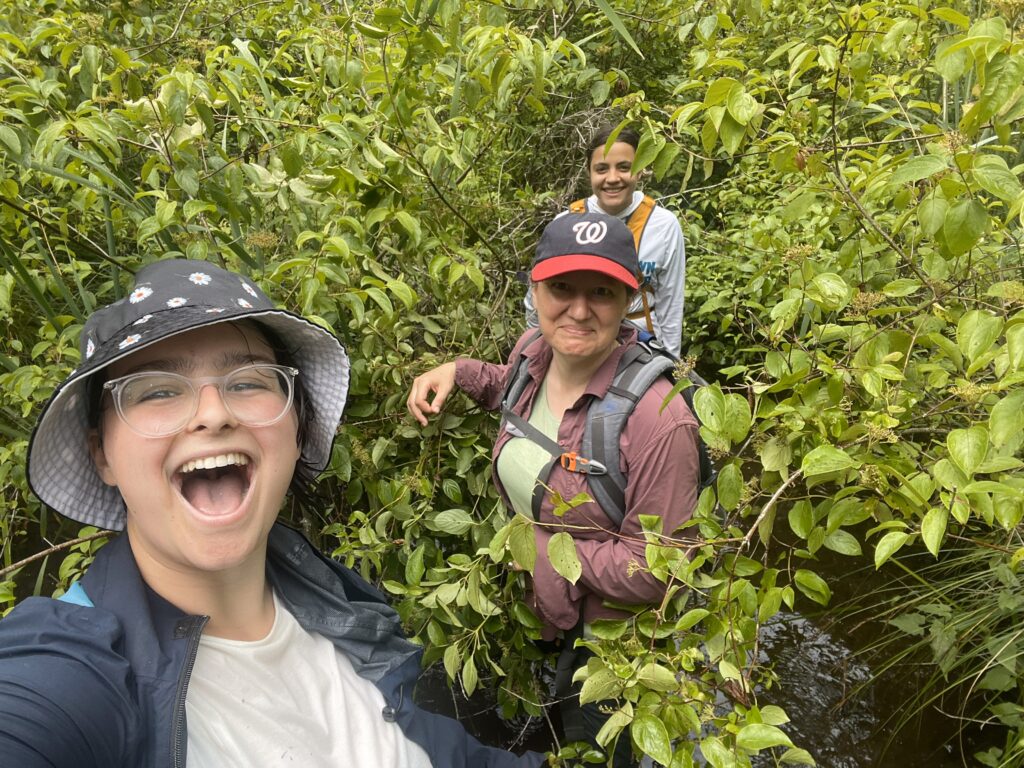
In Rhode Island, data on plant biodiversity, including rare, invasive, and other plants, are gathered and updated largely by volunteers. BORIIS2, the Survey’s biodiversity database, contains thousands of records largely of rare plant sites. There have been only limited efforts to systematically re-survey those sites, however, to ascertain current condition or viability. The Native Plant Trust, Natural History Survey, RIDEM, and other partners cooperate to train and organize volunteer plant monitors, but they typically visit under 100 sites per year, leaving many rare plant populations unmonitored for years or decades. With such a long time between observations, the data are not as useful as they should be for important regulatory, planning, and conservation tasks.
Since 2025, the Survey has partnered with the Brown University Herbarium to expand on existing volunteer monitoring programs by recruiting summer student interns from Brown and URI to work as a single team under the supervision of Brown and Survey staff to revisit rare plant sites and update data. Plant Conservation Volunteers from the community provide additional training and supervision. These “Botany Fellows” are recruited through a competitive application process and the fellowships come with financial stipends (the amount varies from year to year depending on funding). Recruiting happens in mid- to late winter. Organizing, training, and planning begin in late May and fieldwork takes place from June into August.
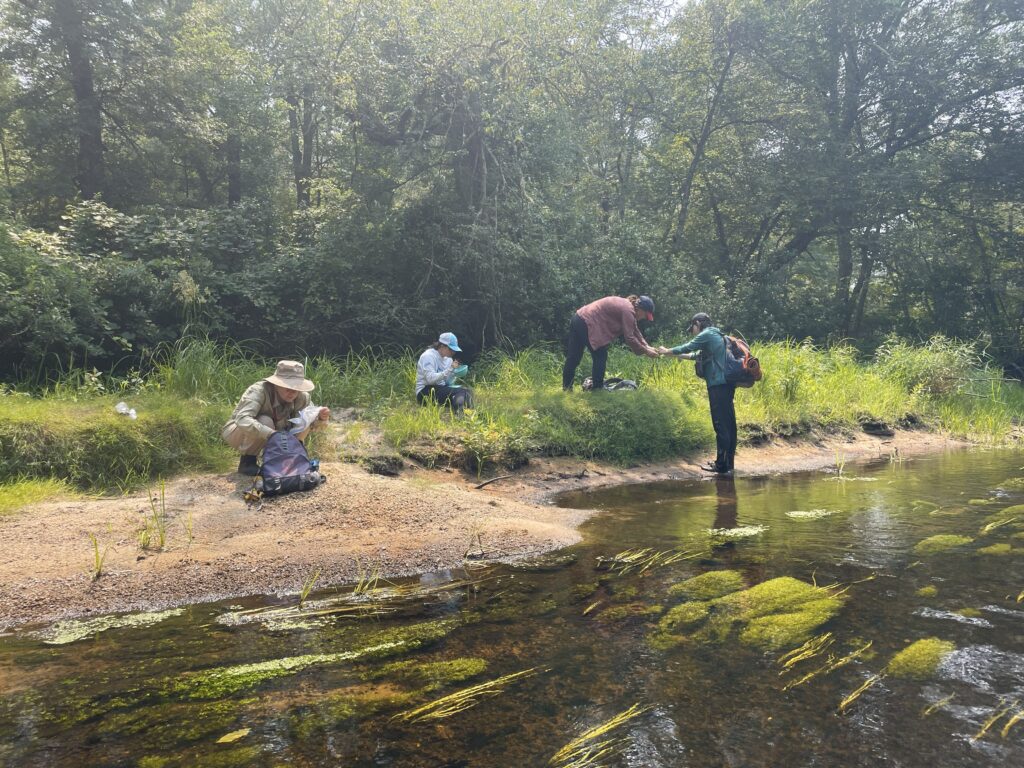
The Brown Herbarium leads the day-to-day supervision of the Fellows who also work with the Survey Data Clerk to select target sites, obtain landowner permission, collect data, and submit it for the database. Experienced amateur field botanists accompany the students as they search field sites and learn how to ID and record data. Voucher specimens, where appropriate, are prepared and deposited with the Brown Herbarium.
In 2025, Botany Fellows visited 86 rare plant sites in 21 field days totaling 280 field hours. In addition, they spent approximately 108 hours in the office in organizational meetings, preparing for field visits, and preparing reports after field visits. Of the 86 known rare plant sites visited, the Botany Fellows could only confirm the continued viability of 34 of them or 40%. Even allowing that at some of the missed sites phenology or other factors prevented the Fellows from re-finding surviving populations, it is likely that the distribution of rare plants has shrunk by half during the time Rhode Island was not monitoring.
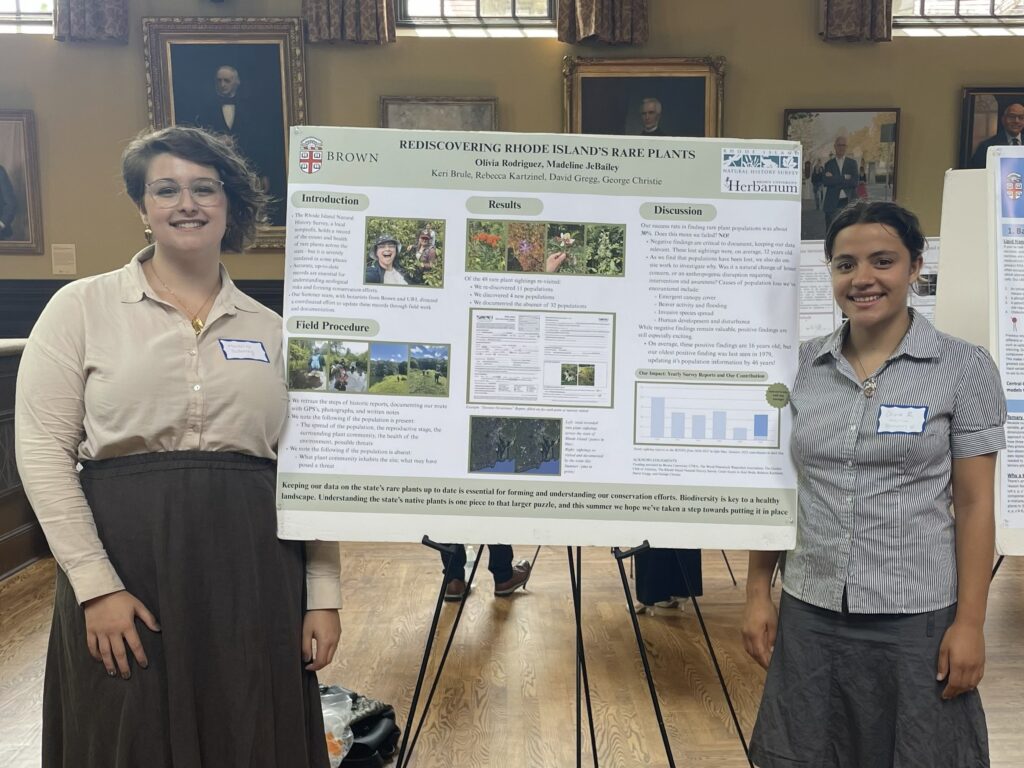
RI regulates riparian buffers and specifies that impacts on rare species be a review criteria for permitting. Similarly, conservation and restoration of habitats, corridors, riparian zones, etc., are be prioritized based on, among other criteria, Heritage Program and Wildlife Action Plan assessments that are based on reliable, up-to-date data on rare species. This activity attracts and trains a new generation of young people in field botany, creates and grows a community of engaged citizens, and raises the community’s general awareness of Rhode Island’s ecological value, specific knowledge of its biota, and engagement in broad issues affecting the health of its environment.
We are grateful for the funders of the Botany Fellows program. See the individual year pages below to see the funders and other supporters.
Botany Fellows 2026: Raven Szewczok (URI), Avinav Cariens (Brown), Klara Zietlow (Brown)
Botany Fellows 2025: Keri Brule (URI), Maddie JeBailey (Brown) and Olivia Rodriguez (Brown)